
Our Approach
The Climate Hub was born out of research showing how youth want and need to be engaged in climate action. Studies in Toronto and internationally highlight that young people thrive in small, peer-supported cohorts—especially those centering racialized and underrepresented communities—and that hands-on, mentorship-driven, mental health–informed programs are essential. The Youth Climate Engagement Strategy (2025), led by Dr. Laura Tozer and Dr. Grace Nosek in partnership with the City of Toronto, confirmed this locally: youth are eager for action but need supportive spaces to sustain it. The Hub was created to put these findings into practice, transforming evidence into programming that builds belonging, embeds equity, and turns climate anxiety into constructive hope.
Hi there, nice to meet you!
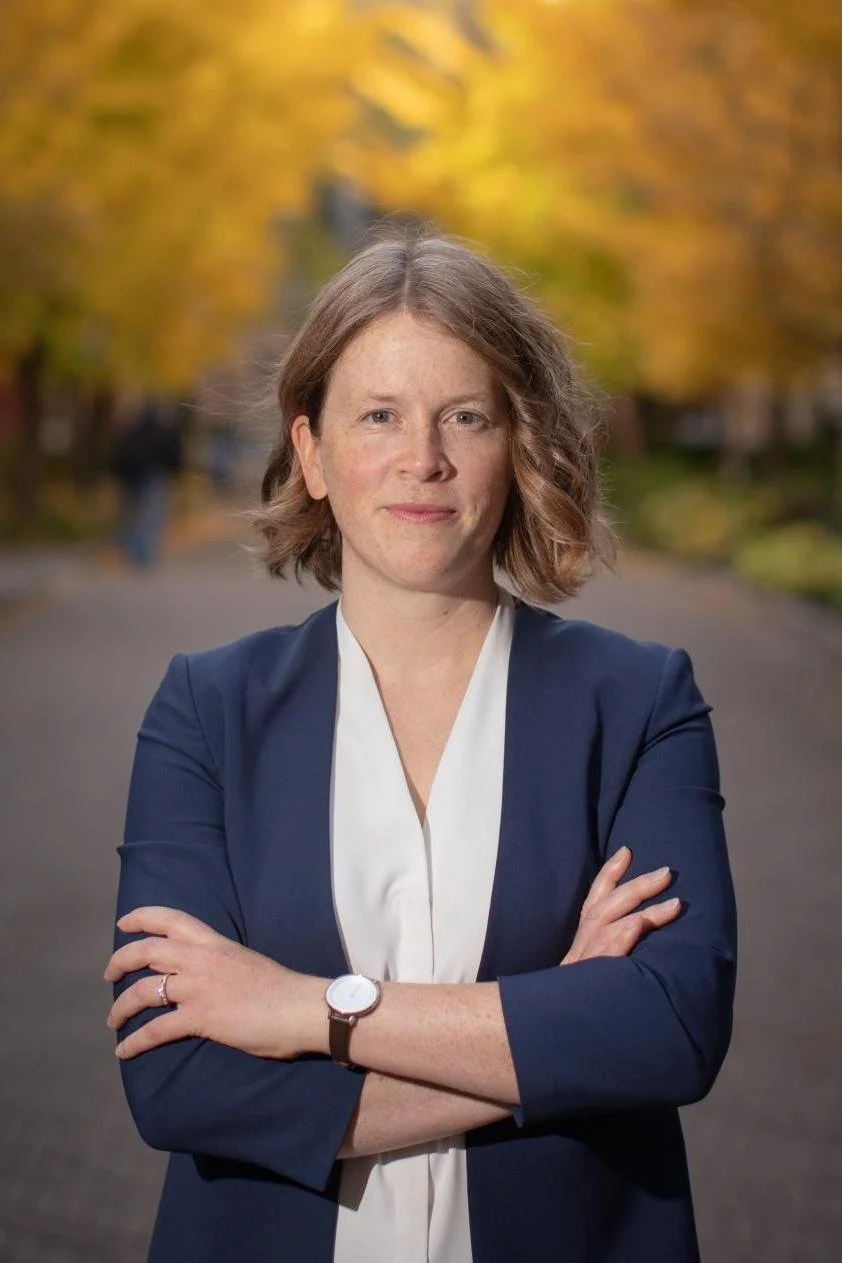
Laura Tozer (She/her)
Hub Director
Assistant Professor, Department of Physical & Environmental Studies, University of Toronto Scarborough

Vic duarte (She/her)
Hub coordinator
PhD Student, Department of Political Science + School of the Environment, University of Toronto St. George

Preeti Nayak (she/her) Youth Climate fellowship Lead
Postdoctoral Researcher, Department of Physical and Environmental Studies, University of Toronto Scarborough
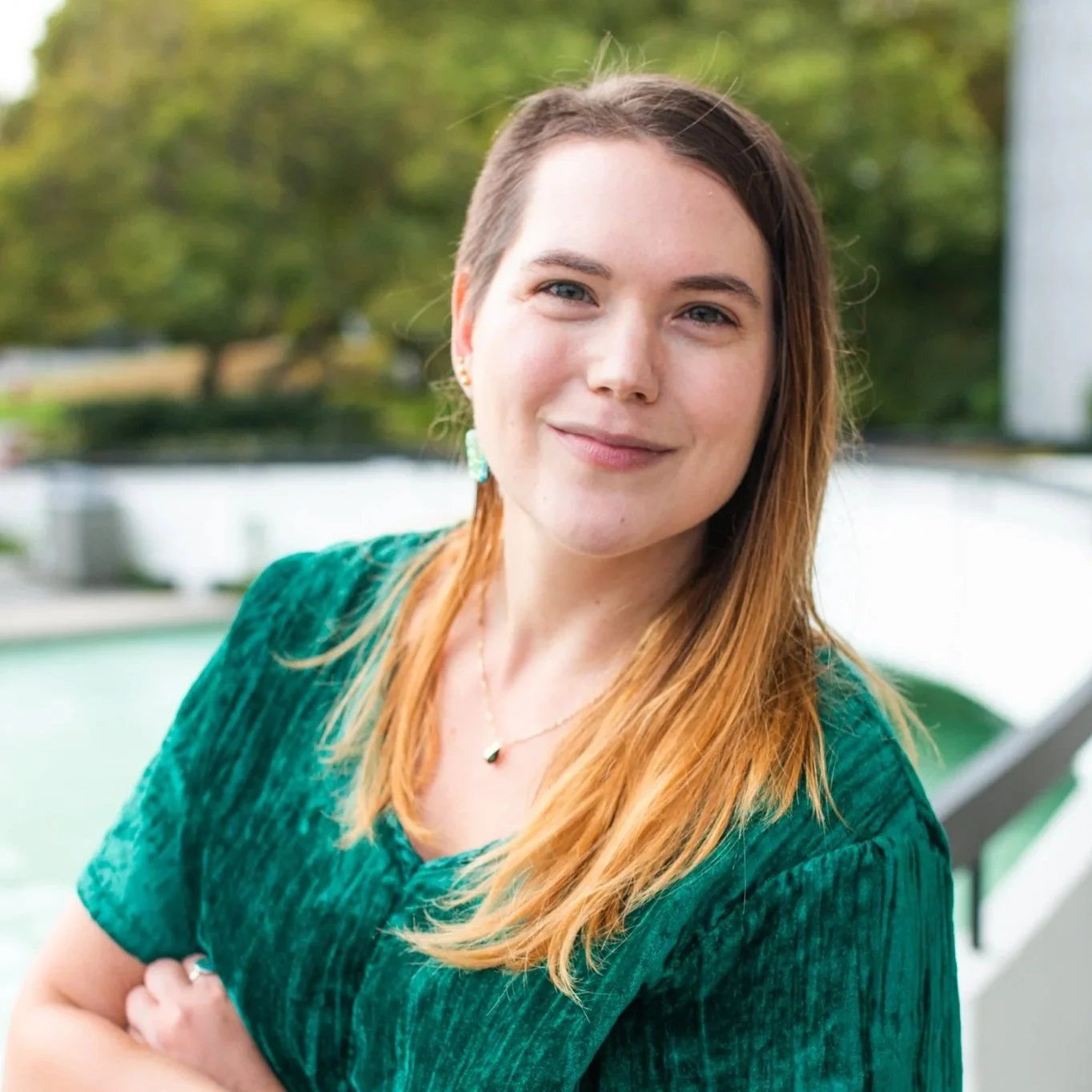
Grace nosek (she/her) climate ambassador program Lead
Postdoctoral Fellow, Department of Physical and Environmental Studies, University of Toronto Scarborough
Where We are
Tkaronto is on the land and waters of the Anishinaabe, the Haudenosaunee Nations, the Wendat, and the Mississaugas of the Credit First Nation. Tkaronto is covered by the Dish with One Spoon wampum belt treaty between the Anishinaabe and Haudenosaunee nations, an agreement open to allfor the peaceful sharing and stewarding ofthese lands. Tkaronto is also covered by Treaty 13, established in 1805 between the Mississaugas of the Credit First Nation and the Government of Canada. This land acknowledgement is important not only to acknowledge the peoples on whose land the City of Toronto is located but also because climate change intrinsically connects to the settler-Indigenous Peoples relationship. Working towards climate justice means righting relations between settlers and Indigenous Peoples and transforming relationships between humans and the land, waters, and the more-than-human world.
Generously FUNDED BY